Nigeria’s Petrol Price Crisis: Causes, Global Influences, and the Future of Fuel Prices
Introduction
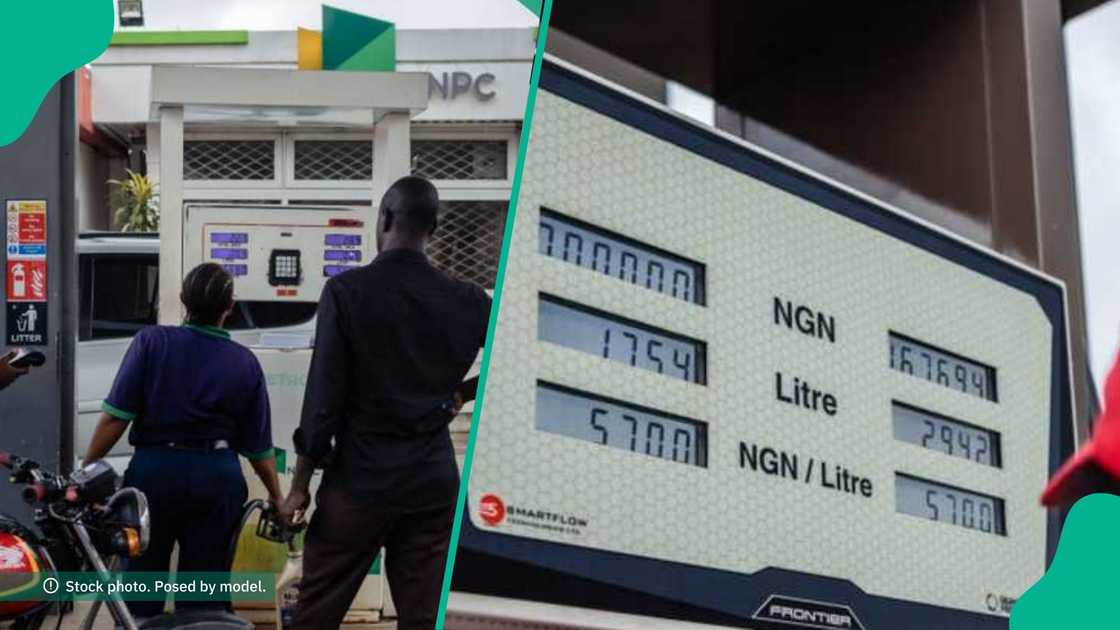


Nigeria, Africa’s largest crude oil producer, has witnessed significant increases in the price of petrol (Premium Motor Spirit – PMS) in recent years. Petrol prices in many parts of the country have risen to between ₦915 and ₦955 per litre in some cities, reflecting a major shift from the previous subsidised regime.
The rising cost of petrol has had widespread economic consequences, including higher transportation costs, increased food prices, and growing inflation. Although Nigeria produces crude oil, the price Nigerians pay for petrol is influenced by a complex interaction of government policies, currency fluctuations, refining capacity, and global oil market trends.
Key Factors Behind Petrol Price Hikes in Nigeria
1. Removal of Fuel Subsidies
For decades, the Nigerian government subsidised petrol prices to make fuel affordable for citizens. However, the policy cost the government billions of dollars annually and was widely criticised for encouraging smuggling and inefficiencies.
In May 2023, the federal government announced the removal of fuel subsidies. This meant petrol prices would now be determined largely by market forces rather than government support. As a result, the pump price increased sharply across the country.
Without subsidies, fuel prices now reflect the actual cost of importing, refining, and distributing petroleum products.
2. Exchange Rate and the Weak Naira
Another major factor affecting petrol prices is the depreciation of the Nigerian currency. Because Nigeria imports a large portion of its refined petroleum products, fuel purchases are made in U.S. dollars.
When the naira weakens against the dollar, importers must spend more naira to purchase the same amount of fuel. This increased cost is passed on to consumers through higher pump prices.
Currency volatility therefore plays a critical role in determining petrol prices in Nigeria.
3. Dependence on Imported Refined Fuel
Despite being a major oil producer, Nigeria has historically lacked sufficient domestic refining capacity. For many years, the country relied heavily on imported refined petroleum products.
This dependence exposes Nigeria to international market conditions, shipping costs, and supply chain disruptions. Whenever global fuel prices rise or supply shortages occur, Nigeria experiences immediate price increases.
Recent investments in refineries aim to reduce this dependence.
Influence of Global Oil Prices
Global Crude Oil Price Fluctuations


Global crude oil prices play a significant role in determining petrol prices in Nigeria. When the price of crude oil rises internationally, the cost of producing refined fuel also increases.
Although higher crude oil prices can increase Nigeria’s government revenue from oil exports, they simultaneously raise the domestic cost of petrol because Nigeria still imports a large portion of refined products.
In recent years, geopolitical tensions, supply disruptions, and changes in global energy demand have pushed crude oil prices upward. These developments have contributed to higher petrol prices worldwide.
Global Conflicts and Supply Disruptions
Events such as conflicts in the Middle East or disruptions in major oil shipping routes can reduce global supply and drive prices higher. When global supply tightens, international oil prices rise, affecting countries that rely on fuel imports.
Nigeria’s deregulated fuel market means global price shocks now translate more directly into domestic petrol prices.
Economic Impact of Petrol Price Increases
Rising petrol prices affect nearly every sector of the Nigerian economy.
1. Inflation and Cost of Living
Fuel is essential for transportation and logistics. When petrol prices increase, transportation costs rise, and the price of goods—especially food—also increases.
2. Increased Business Costs
Many Nigerian businesses rely on petrol or diesel generators due to unreliable electricity supply. Higher fuel prices increase operating costs and reduce profit margins for small and medium-sized enterprises.
3. Transportation Challenges
Public transport fares typically rise whenever petrol prices increase, affecting millions of Nigerians who rely on buses, taxis, and motorcycles for daily commuting.
What the Future Holds for Petrol Prices in Nigeria
1. Expansion of Domestic Refineries
The development of large refineries, particularly the Dangote Refinery, could significantly change Nigeria’s fuel market. With a refining capacity of about 650,000 barrels per day, it is expected to reduce Nigeria’s reliance on imported fuel.
If domestic refining improves, petrol prices may become more stable and less sensitive to global supply disruptions.
2. Market Deregulation and Competition
Nigeria’s downstream petroleum sector is becoming increasingly deregulated. This means private refineries and marketers will compete to supply petrol.
Competition could eventually lead to more efficient pricing and improved supply stability.
3. Continued Global Market Influence
Despite improvements in domestic refining, global oil prices will continue to influence Nigeria’s fuel market. Factors such as:
Global oil demand
Geopolitical conflicts
Currency fluctuations
Energy transition policies
will remain key determinants of future petrol prices.
Conclusion
The current petrol price hike in Nigeria reflects a combination of domestic economic reforms and global energy market dynamics. The removal of fuel subsidies, depreciation of the naira, dependence on imported refined fuel, and rising global oil prices have all contributed to higher pump prices.
While the situation has created economic challenges for households and businesses, ongoing investments in domestic refining and energy sector reforms may gradually stabilise petrol prices in the future.
Ultimately, Nigeria’s long-term solution lies in strengthening local refining capacity, improving energy infrastructure, and reducing dependence on imported fuel.
References
Nigerian National Petroleum Company Limited – Fuel price adjustments and supply updates.
Reuters (2025). Nigeria fuel market reforms and refinery developments.
Business News Nigeria – Petrol price increase reports.
Afripost – NNPCL pump price increase across stations.
Reuters Energy News – Nigeria refining and petroleum policy reforms.
Nigerian Midstream and Downstream Petroleum Regulatory Authority reports.
Comments (0)