How Nigerian Homes are Quietly Changing
I remember some years back in Nigeria, it was completely normal not to have a borehole at home. Most families bought water from vendors who pushed carts through the streets, or from neighbors who sold water by the bucket. It was part of daily life. You woke up early, fetched water, stored it, and managed it carefully. Having a borehole in your own compound was rare and often seen as something expensive.
Fast forward to today, and things look very different. In many parts of the country, it is now unusual to see a house without a borehole. Almost every new building comes with one, and older houses have found ways to install theirs too. This didn’t happen overnight. People slowly realized that constantly buying water was stressful, expensive, and unreliable. Installing a borehole, even though costly at first, made life easier in the long run.
This shift says a lot about how Nigerians respond when basic services are not reliable. Instead of waiting endlessly for public solutions, people find their own way. When water became a problem, households solved it themselves. That same mindset is now showing up in how we deal with electricity.
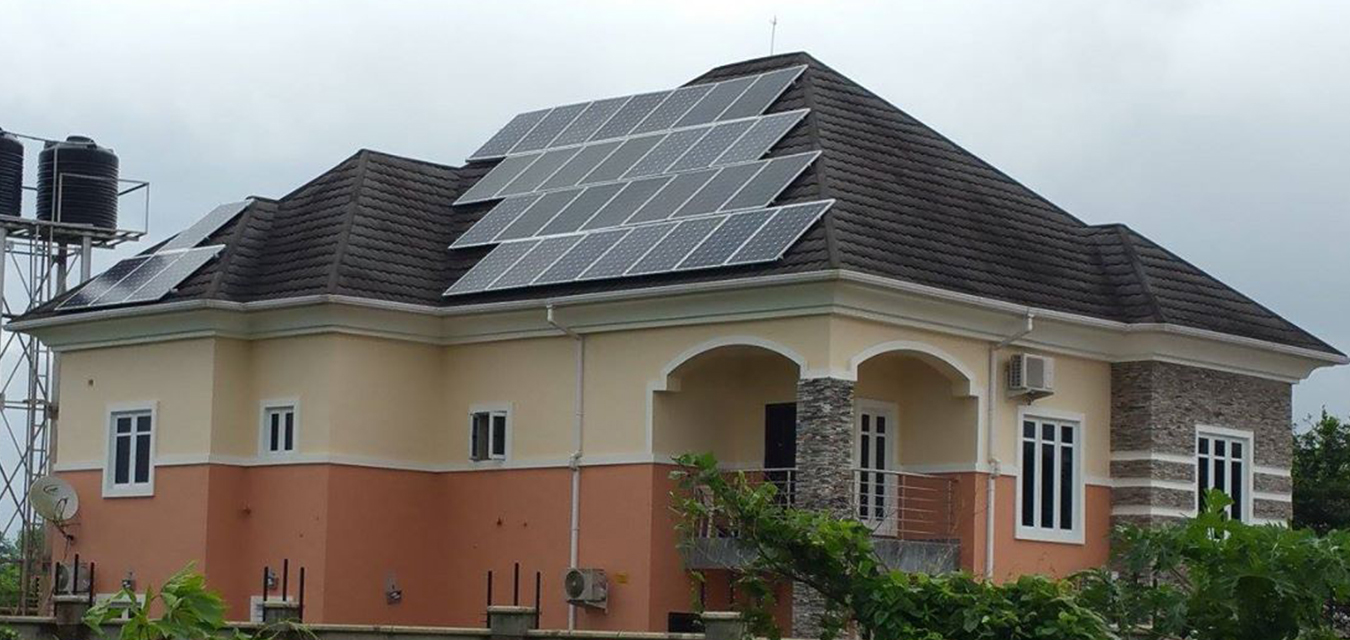
For years, unstable power supply has been one of Nigeria’s biggest challenges. Generators became the backup plan in almost every home, filling our streets with noise and smoke. But generators are not cheap to fuel or maintain, and they come with constant inconvenience. Recently, more Nigerians have started turning to inverters and solar systems as a better alternative
At first, inverters and solar installations seemed like something only offices or wealthy households could afford. Today, that perception is changing. More families are saving up, buying smaller systems, and upgrading over time. The quiet hum of inverters is slowly replacing the loud roar of generators in many neighborhoods.
Just like boreholes, inverters and solar power are becoming less of a luxury and more of a necessity. Looking ahead, it is easy to imagine that in the next 10 to 20 years, almost every Nigerian household will have some form of inverter or solar system installed. It will simply be part of the home, just like a borehole or water tank.
This pattern shows the resilience and practicality of Nigerians. When systems fail, people adapt. When something works, others follow. From buying water outside to generating our own power at home, Nigerian households continue to quietly reshape their living conditions, one solution at a time.
Comments (0)